Steel frame tents are a professional choice that balances durability, flexibility, and structural integrity for long-term and semi-permanent installations. As tent manufacturers continue innovating, Jinglufa has distinguished itself by offering steel frame tents with high strength, modularity, and weather resilience, catering to a broad range of event, industrial, and emergency use cases. Understanding the key features, application scenarios, and selection criteria helps users make informed decisions when choosing a steel frame tent for their specific needs.
The hallmark of a steel frame tent is its robust skeletal structure composed of galvanized steel tubes, reinforced joints, and modular truss segments that ensure stability and load-bearing capability. Jinglufa's steel frame tent line is built with high-strength steel structure that provides excellent weather resistance and longevity, making it suitable for outdoor, event, and semi-permanent installations. The use of modular and interlocking roof trusses allows the tent to support significant loads—Jinglufa's modular steel frame tent is rated to withstand up to 150 kg/㎡ loads on the roof. Because these frames are engineered for rigid support, they resist deformation under wind or snow while allowing flexible expansion. In addition, the steel framework allows for large clear-span interiors without internal poles, maximizing usable floor area. Many of Jinglufa's designs are customizable in height, span, and modular side wings to match context requirements.
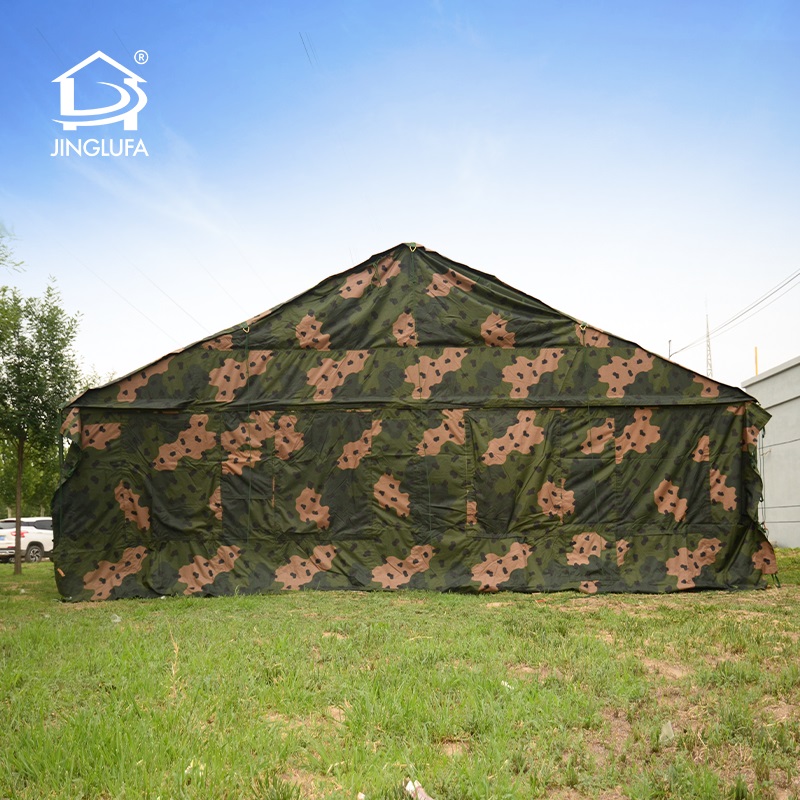
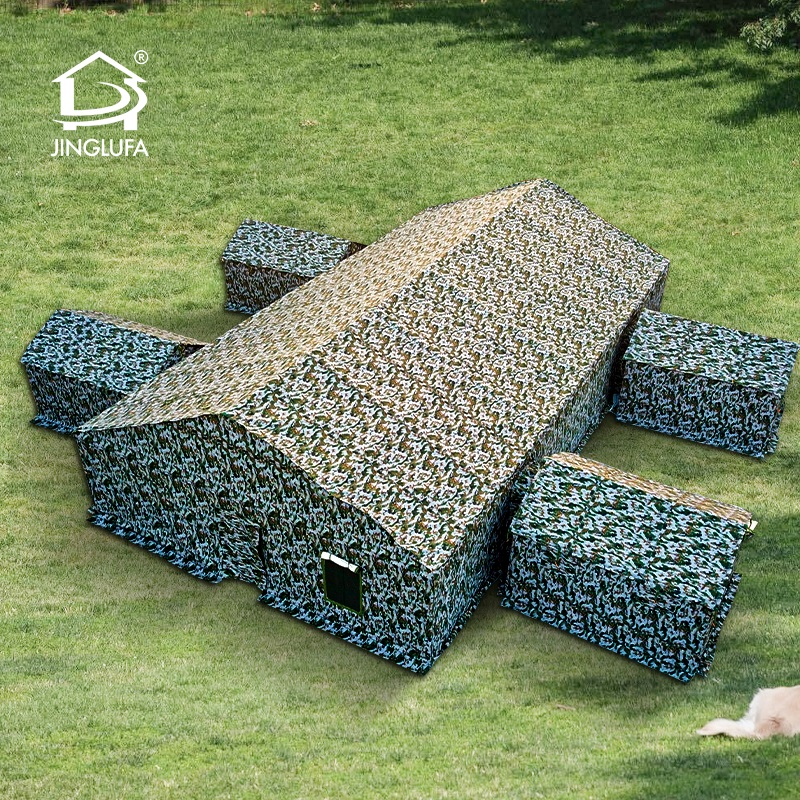
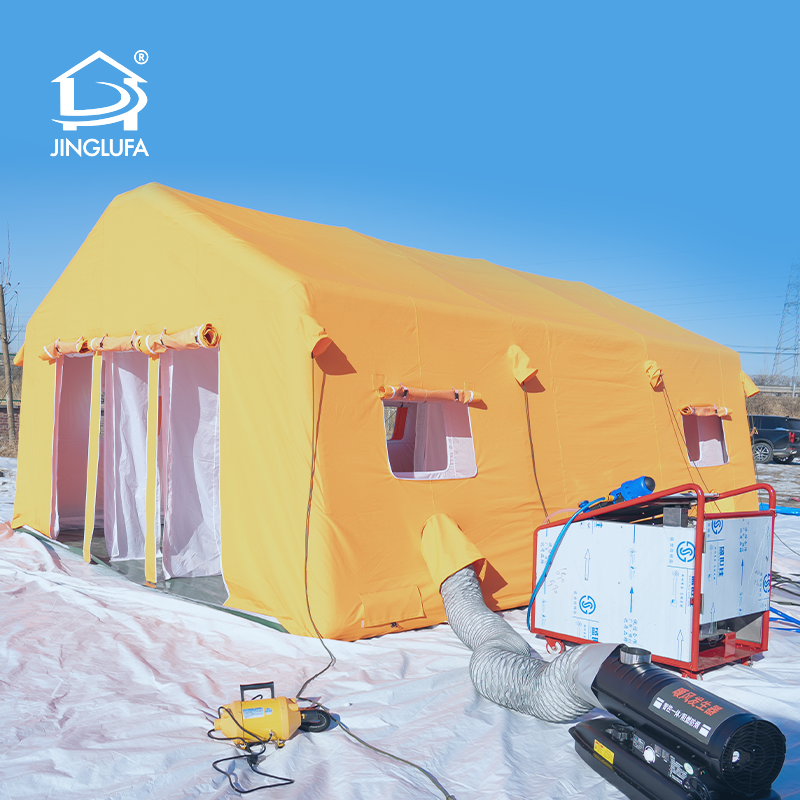
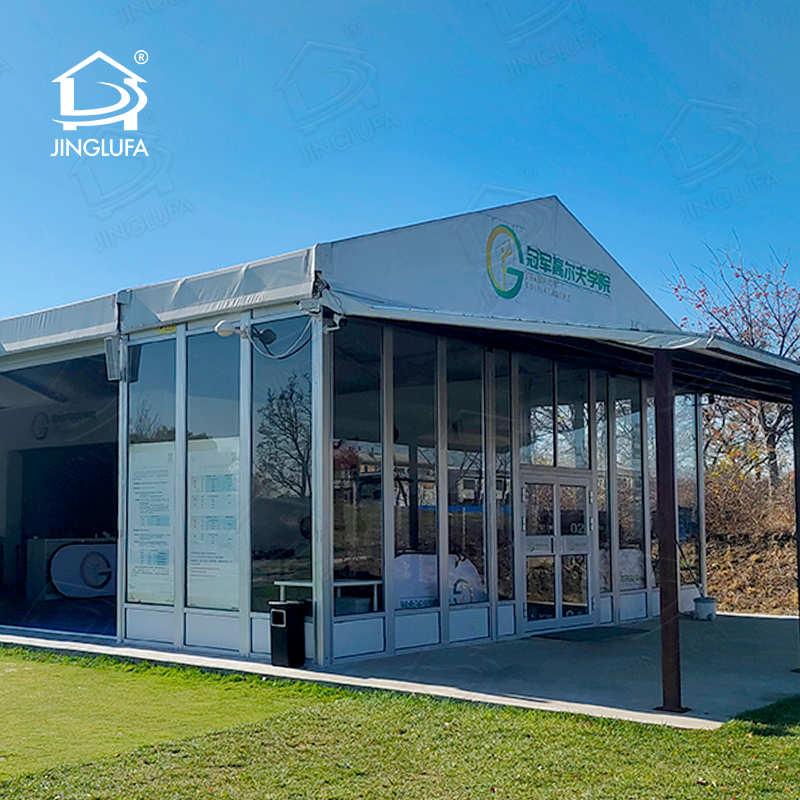
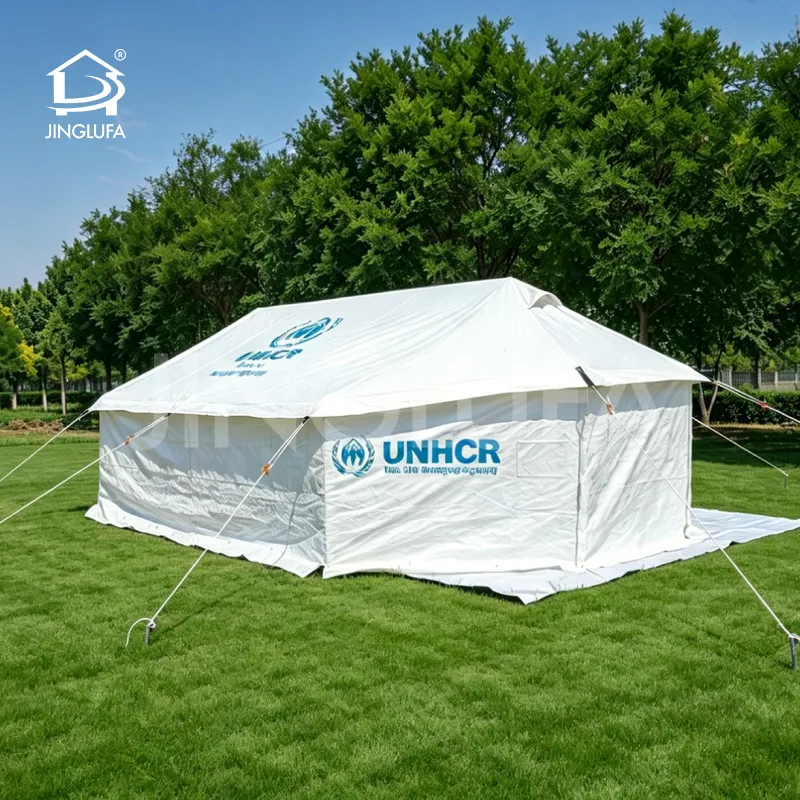
Steel frame tents are widely used across a spectrum of scenarios where durability and reliable structural performance are essential. Jinglufa markets its steel frame tents for outdoor events, exhibitions, storage shelters, construction site coverage, semi-permanent installations, and emergency relief operations. Because of their robustness, they serve well in variable environments where pole-type or fabric-only tents may struggle. In emergency relief, steel frame tents provide a stable, reusable shelter option that can be redeployed. In event or exhibition settings, the rigid frame supports decorative fabric, lighting rigs, and signage without sagging or stress. Their resistance to harsh weather—wind, rain, snow—makes them suitable for longer-term installations in diverse climates. The modular nature also permits combining multiple units or extending the length as needs evolve. Jinglufa's modular steel frame tents, with interlocking roof trusses, are intended to be deployable in under two hours, making them suitable for field hospitals or command centers.
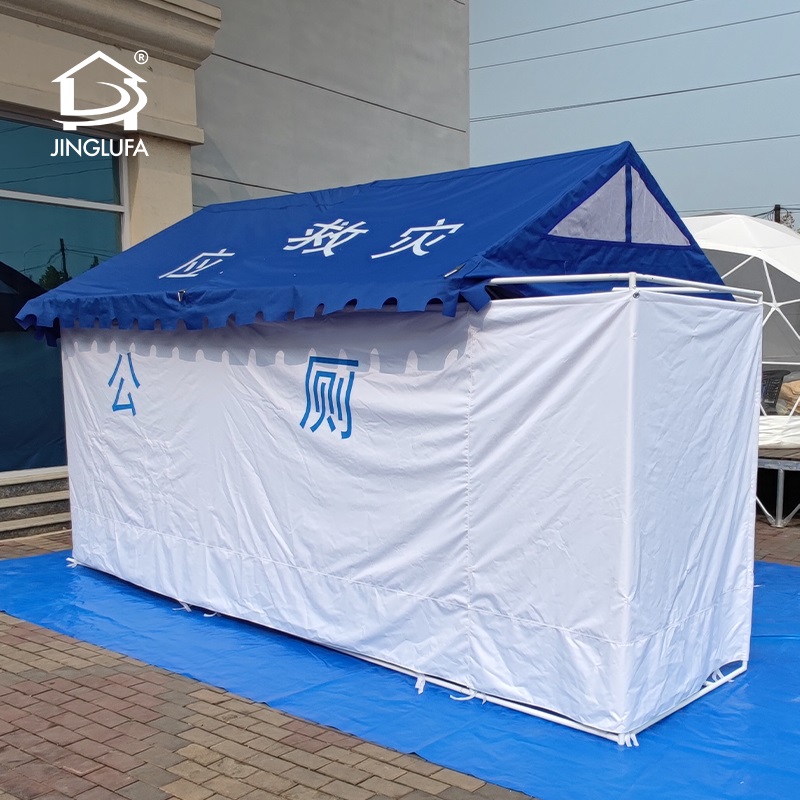
When choosing a steel frame tent from among tent manufacturers, several technical criteria should guide the decision. Key factors include span width (how wide across without interior supports), roof load rating (ability to carry snow, signage, HVAC, lights, etc.), wind rating, and fabric compatibility. The frame's steel grade and galvanization determine corrosion resistance; Jinglufa uses galvanized steel canopy frame to enhance longevity and weather resistance. Another important feature is modularity and expandability—selecting a tent from a manufacturer that offers modular truss systems allows future extension without full replacement. The ease of installation and the speed of deployment also matter: a good tent manufacturer will optimize joints, connectors, and assembly methods to reduce labor. For usage in challenging weather, the roof and wall fabrics must match frame strength; waterproof, reinforced PVC or Oxford fabrics with strong seam construction are ideal. Buyers should verify that the tent manufacturer provides detailed specifications, wind load certifications, and accessory compatibility. Finally, serviceability and spare-part availability help ensure long-term usability—choose a manufacturer who supports replacement parts and technical guidance.
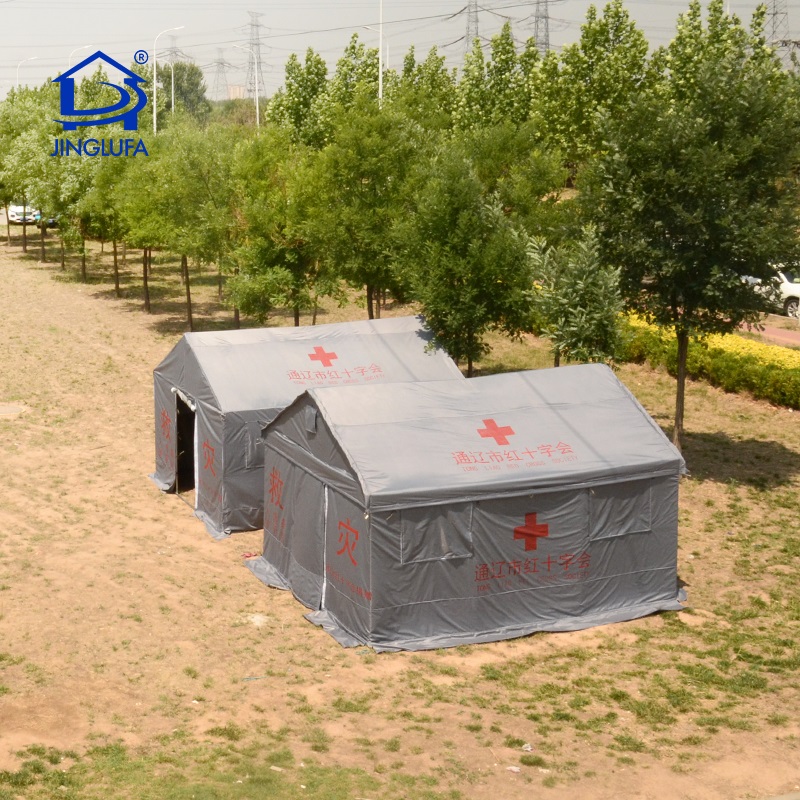
A quality steel frame tent should be designed for long-term reuse. The steel elements must resist corrosion, fatigue, and wear; thus, galvanization, protective coatings, and robust welding are key. Jinglufa's use of galvanized structural steel and reinforced joints helps ensure durability under repeated assembly/disassembly cycles and exposure to the elements. Regular inspection of welds, fasteners, and tube integrity is crucial—any deformation or cracking should be addressed promptly. Fabric maintenance also matters: cleaning, correct tensioning, and preventing UV degradation extend the life of membranes attached to the steel frame. Anchor systems must match site conditions to avoid undue stress on the frame. Because steel frame tents often remain in place for long durations, rust prevention and drainage design are part of responsible deployment. A good tent manufacturer offers guidance or spare parts to support long service life.
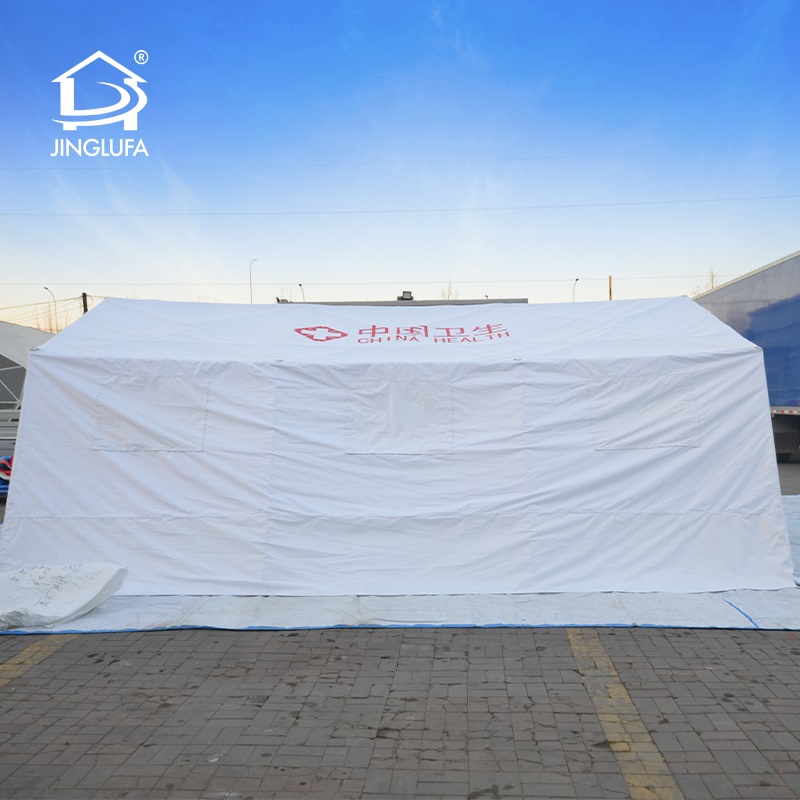
Among tent manufacturers, Jinglufa distinguishes itself by offering customizable steel frame tents with strong galvanization, modular design, fast deployment, and proven structural performance. Their steel frame tent line boasts excellent stability, weather resistance, and adaptability for large-scale event, industrial, or emergency usage. Their modular systems with interlocking roof trusses allow large installations with high load capability, fitting needs from exhibition halls to field hospitals. Because they combine high structural quality with thoughtful design and modular scalability, customers can obtain flexible, durable shelter solutions from one trusted manufacturer.