In the world of temporary shelters, two increasingly popular types stand out: the steel frame tent and the air blown tent (inflatable tent). As a trusted provider of high-quality shelter solutions, Jinglufa offers both options and helps users decide which design suits their use case best. Whether you are an event planner, an emergency responder, or an outdoor enthusiast, understanding the strengths and trade-offs between these tent types is essential.
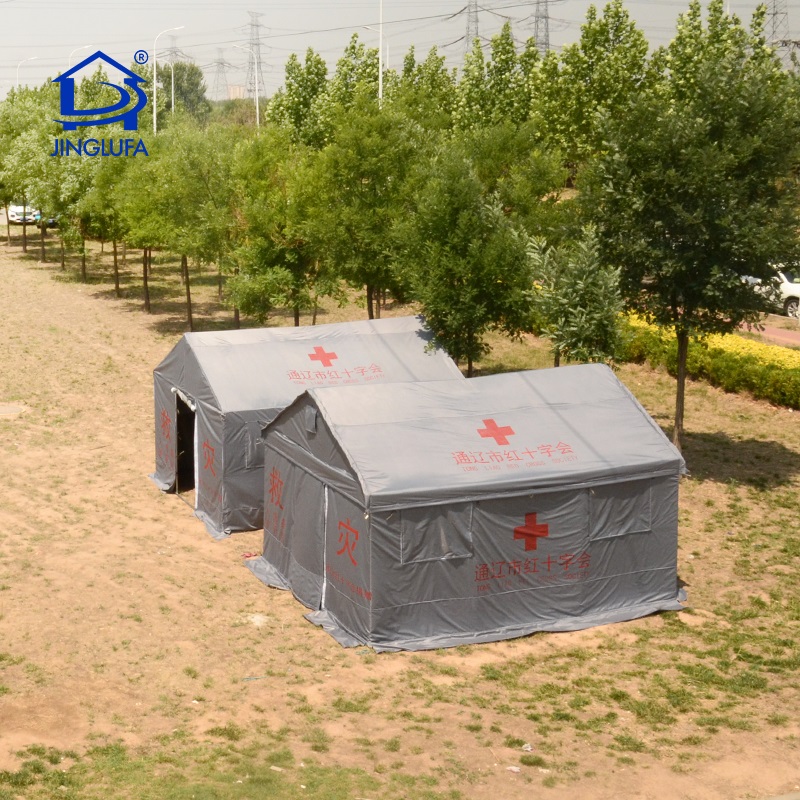
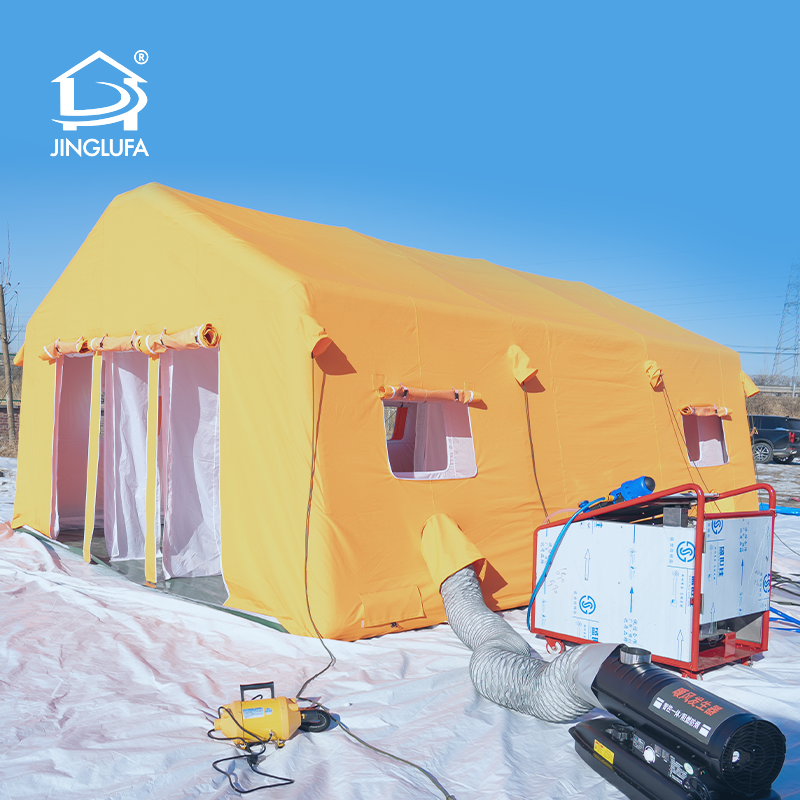
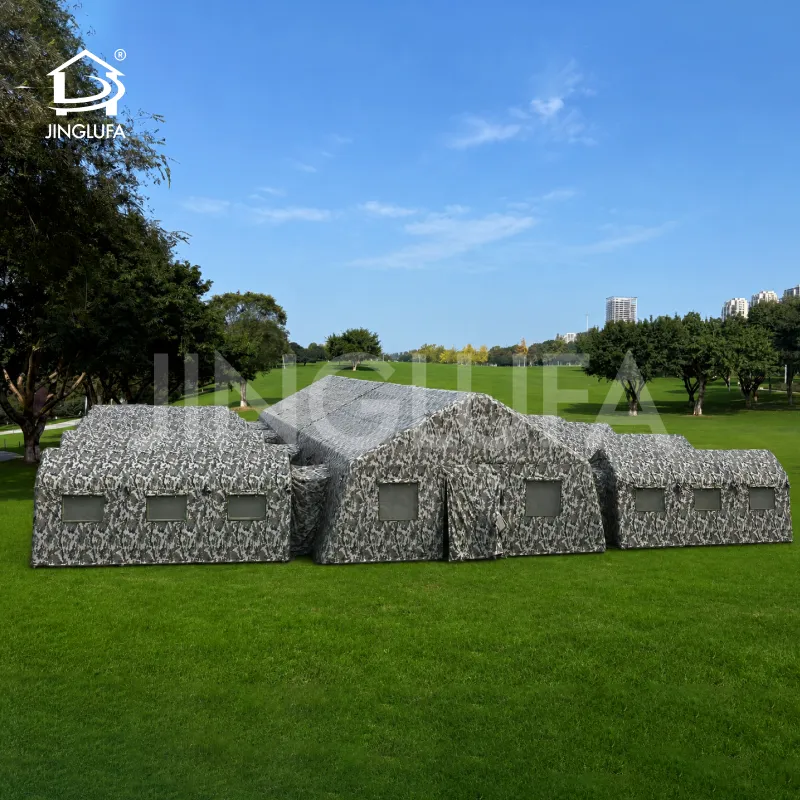
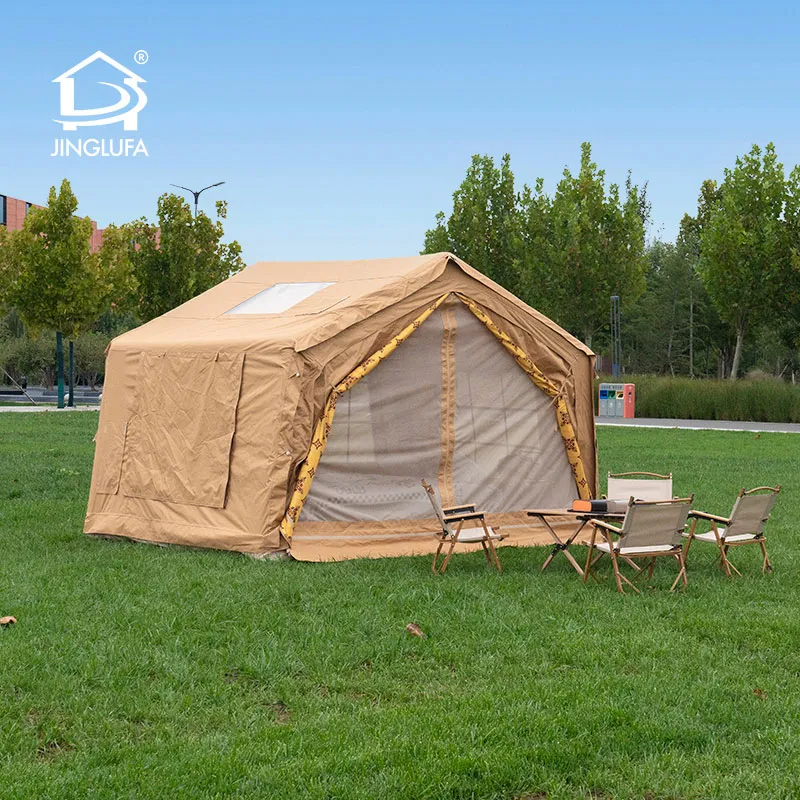
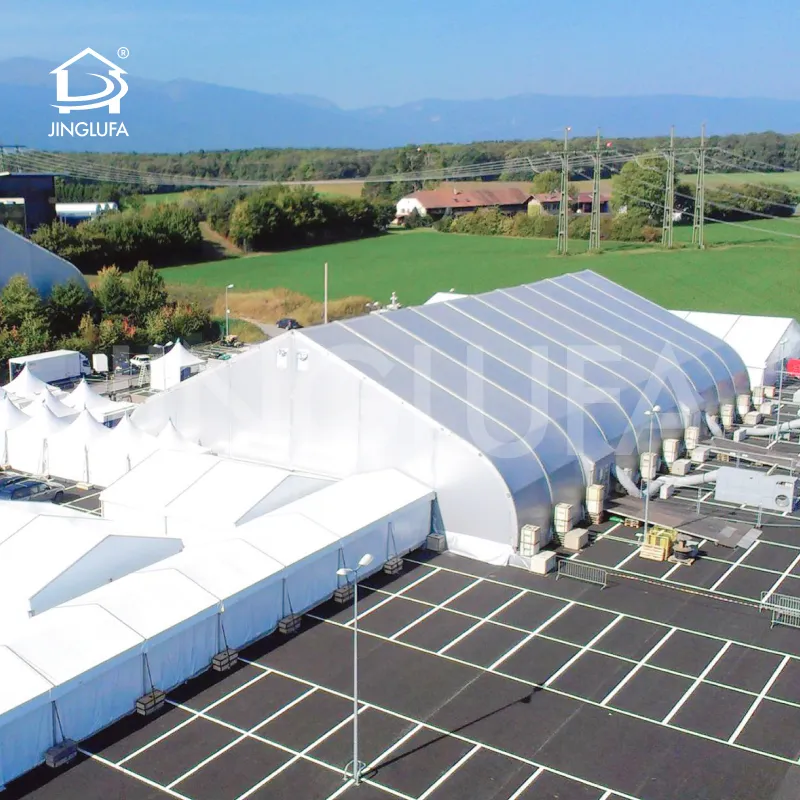
An air blown tent—often called an inflatable tent—relies on pressurized air columns or beams to provide structural support. Once inflated, these air beams serve as the skeleton, replacing rigid poles. Jinglufa's inflatable tent line is engineered to open quickly and maintain form through its sealed air chambers. In contrast, a steel frame tent uses galvanized steel tubes and modular truss frameworks that interlock to form a strong skeletal structure. Jinglufa's steel frame tent products employ robust steel poles and joint systems to bear wind, snow, and roof loads. Each tent type has its own structural logic, performance profile, and suitability for various environments. As tent manufacturers, Jinglufa ensures both kinds meet high quality and functional standards.
Feature | Air Blown Tent | Steel Frame Tent |
Setup speed | Rapid inflation in minutes | Requires assembling poles and trusses |
Flexibility / portability | High (packs compactly, lighter structure) | Moderate (steel parts heavier but modular) |
Wind & snow resistance | Depends on air chamber strength and design | High load capacity when built with adequate trusses |
Maintenance and repair | Easy to patch leaks, replace valves | Replace steel poles or joints, robust parts |
Clear internal space | Good (no internal poles) | Excellent (clear span possible) |
Durability | Susceptible to punctures but resilient | Long life with corrosion protection |
Ideal use scenarios | Events, temporary shelters, quick deployment | Semi-permanent setups, long-term installations |
This table highlights the main trade-offs you'll face when choosing between an air blown tent and a steel frame tent.
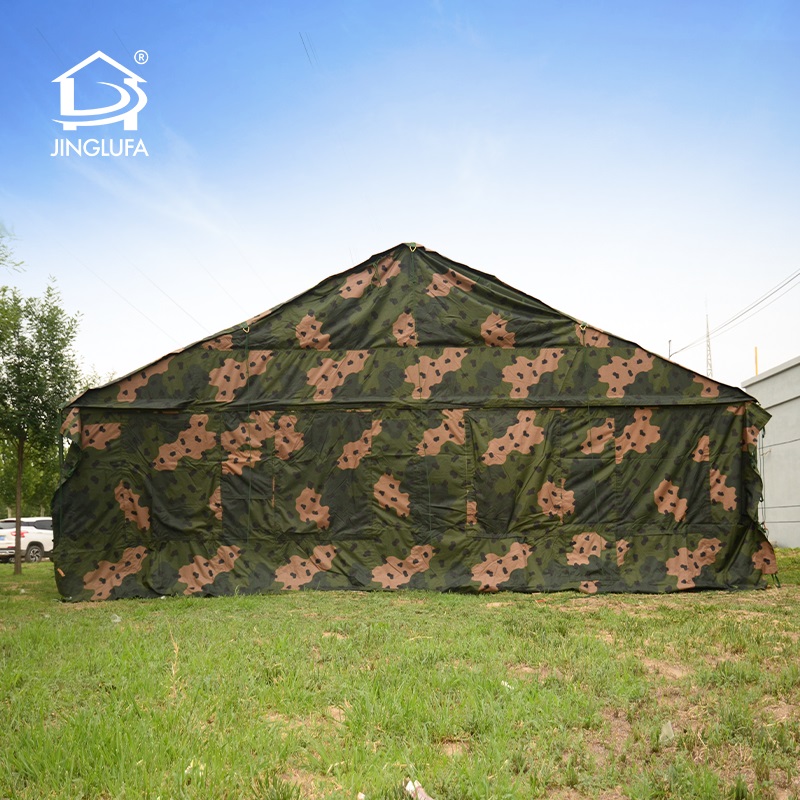
If you need rapid deployment, flexibility, and frequent mobility, the air blown tent often shines. Emergency relief situations, event pop-ups, or show booths benefit greatly from the fast inflation-based setup of an inflatable tent. Because these tents can be deflated, folded, and transported compactly, they suit use cases where portability is important. For example, mobile clinics or temporary shelters that must relocate quickly can thrive on air structure solutions. Jinglufa's inflatable tent systems are optimized to balance structural stability and ease of use, making them a strong choice for applications that demand frequent deployment changes.
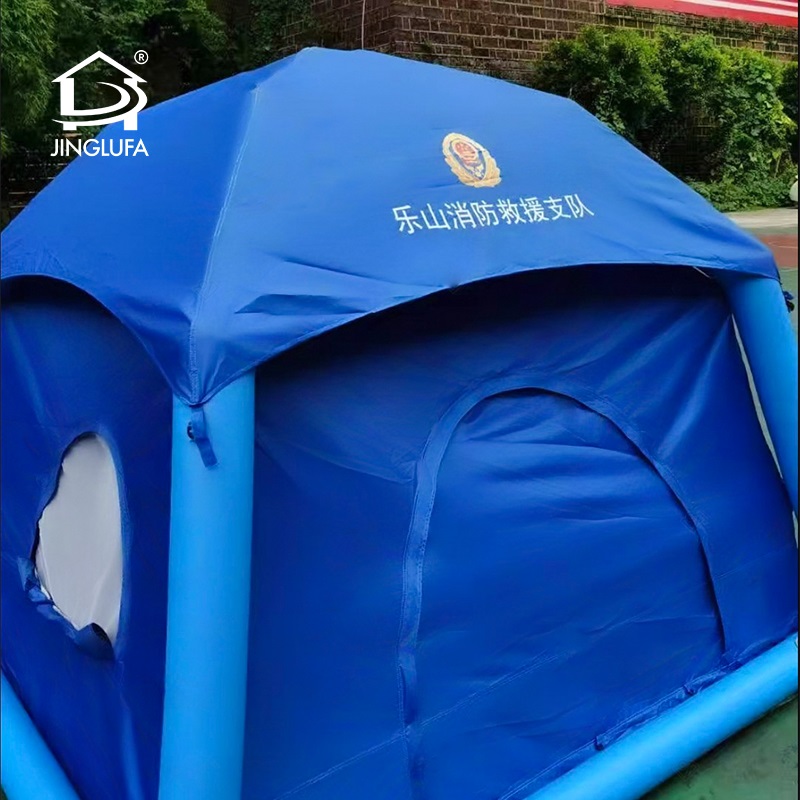
For durability and load-bearing capacity, the steel frame tent often becomes the preferred option. Structures that must last through multiple seasons, hold heavy roof loads (such as lighting, HVAC, signage), or remain in place for extended durations benefit from steel frameworks. In exhibition halls, festival pavilions, or semi-permanent warehouse shelters, steel truss systems provide a stable backbone. Whether for long-term use in challenging climates or installations needing additional structural support, Jinglufa's steel frame tents deliver the strength and reliability expected from seasoned tent manufacturers.
Selecting between an air blown tent and a steel frame tent comes down to analyzing your priorities: speed, portability, structural demands, and longevity. First, consider the expected duration and frequency of use. If your project demands regular relocation or rapid setup and teardown, air inflatable designs may dominate. But if your installation will remain in place for long periods, withstand significant load, or host heavy equipment, steel frame becomes more appropriate. Assess wind and snow exposure levels in your region; if extreme weather is common, steel frame tents with strong truss designs may be more resilient. Also evaluate maintenance capabilities—puncture repair is simpler in an inflatable tent while component replacement is more modular in steel systems. Jinglufa, as one of the tent manufacturers offering both lines, can help you choose models aligned with your local site conditions, logistics, and intended use.
By weighing structural strength, deployment demands, longevity, and usability, users can decide whether to opt for the flexibility of an air blown tent or the robustness of a steel frame tent. Jinglufa's expertise ensures that whichever route you take, you gain access to quality shelter solutions tailored to real-world deployment needs.