If you are looking for convenience, quick setup and relocation, or for emergency, medical, construction, and other scenarios, inflatable tents are superior; if you need long-term stationing, to deal with extreme weather, or focus on lightweight and cost, framed tents are more suitable. Below is a comparative analysis from multiple dimensions to help you choose according to your needs:
1. Convenience: Inflatable tents win
Setup and dismantling
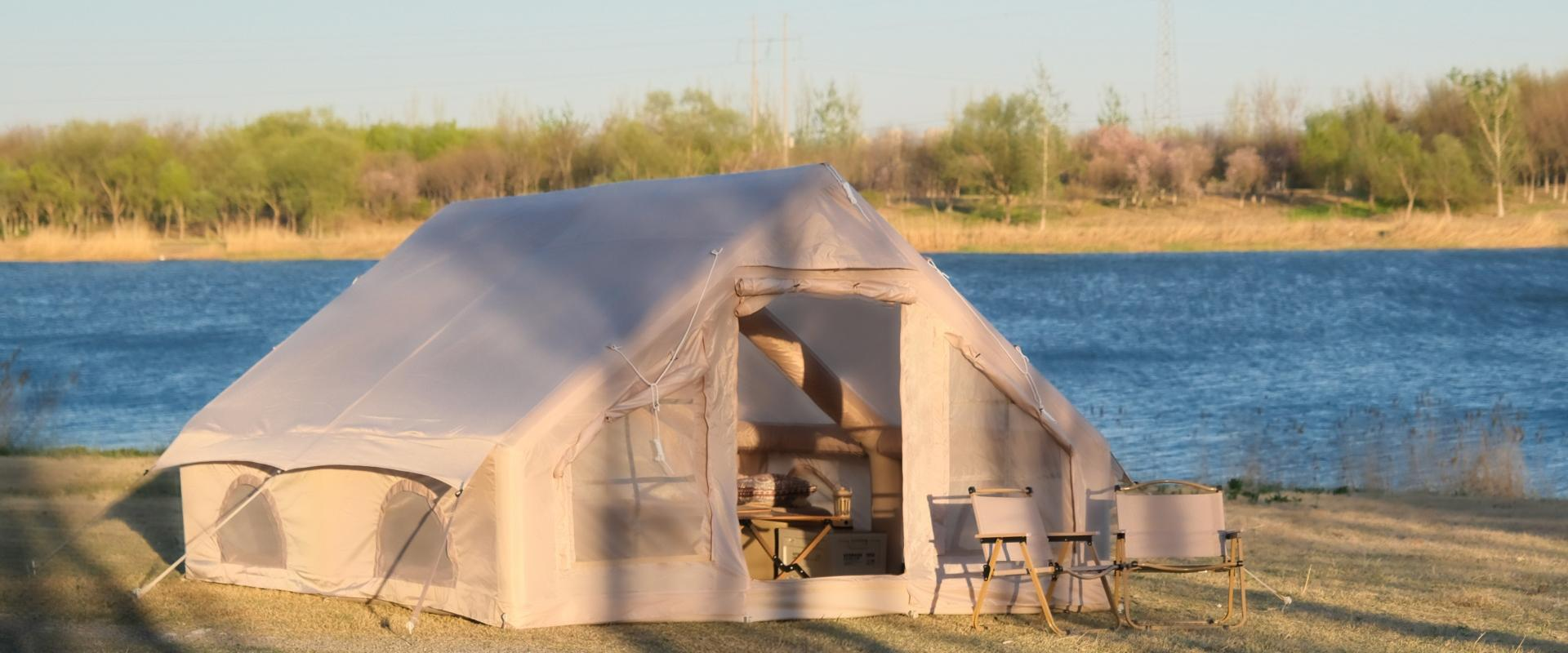
Inflatable tents: Using an inflatable frame design, paired with a pump (electric or manual), can be set up in 1-10 minutes, operable by a single person. When dismantling, deflate and fold, saving time and effort.
Framed tents: Requires multiple people to assemble the metal frame, a cumbersome process that takes longer (experienced users around 10-30 minutes, possibly longer for newcomers). Dismantling involves disassembling the frame and packing it up, which is bulky and heavy.
Transportation and carrying
Inflatable tents: When deflated, it becomes compact and can be easily put into small vehicles, suitable for self-driving or public transportation travel.
Framed tents: The metal frame cannot be folded, requiring large vehicles for transportation, difficult for hikers or backpackers to carry.
2. Stability and Durability: Framed tents slightly superior
Wind resistance
Framed tents: The metal frame structure is stable and can withstand strong winds (such as over level 10), suitable for extreme weather or long-term stationing.
Inflatable tents: The air column design performs well under low wind speeds, but in windy weather, ground nails and wind ropes are needed for reinforcement; otherwise, it may sway.
Material durability
Framed tents: Metal frames have a long lifespan (up to 10 years or more), the fabric has strong tear resistance, and the maintenance cost is low.
Inflatable tents: Air columns made of PVC or TPU materials are relatively durable, but need to avoid being scratched by sharp objects. If there is a leak, it can be repaired with special glue.
3. Applicable Scenarios: Choose according to need
Inflatable tents
Emergency rescue: Quickly set up temporary shelters.
Outdoor construction: Provide temporary resting places for workers.
Family camping: Pursue convenience, suitable for short-term, low-intensity activities.
Medical, military fields: Scenarios that require rapid deployment.
Framed tents
Hiking and camping: Lightweight design (e.g. using Dyneema composite fabric + carbon fiber poles) suitable for long-distance carrying.
Mountaineering: High stability, can cope with extreme weather.
Long-term stationing: For fixed camps or scientific research expeditions, need durable structure.
4. Function and Experience: Inflatable tents have richer space utilization
Inflatable tents: No frame obstruction, dome design makes the space more open, suitable for families or teams.
Framed tents: The frame may occupy internal space and requires reasonable layout planning. Additional functions of inflatable tents: some models come with UV protection coatings and flame retardant materials, improving safety and comfort.
Framed tents: Functions are relatively basic, but the experience can be optimized by choosing high-end models.
5. Cost and Maintenance
Price
Inflatable tents: Due to complex technology, prices are usually higher than framed tents, but the cost-performance ratio increases with technological popularity.
Framed tents: Wide price range, affordable for entry-level models, and higher prices for high-end models (such as lightweight hiking tents).
Maintenance
Inflatable tents: Regularly check air tightness, avoid direct sunlight causing material aging.
Framed tents: Clean and store frames properly to prevent rust or deformation.